Upgrade Your Home: Vital Details About Home Remodeling Services for All Property Owners
Residents commonly search for options to upgrade their residences through home improvement projects. Such undertakings may vary starting with kitchen improvements to full house remodeling. Being aware of the possibilities is necessary to choosing intelligently. Moreover, one must consider practical considerations such as setting a budget and choosing the right builder. As homeowners commence on this journey, they may run into unexpected challenges. The secret to a great renovation depends on careful planning and execution. What are the next necessary steps?
Knowing the Various Categories of Residential Renovation Work
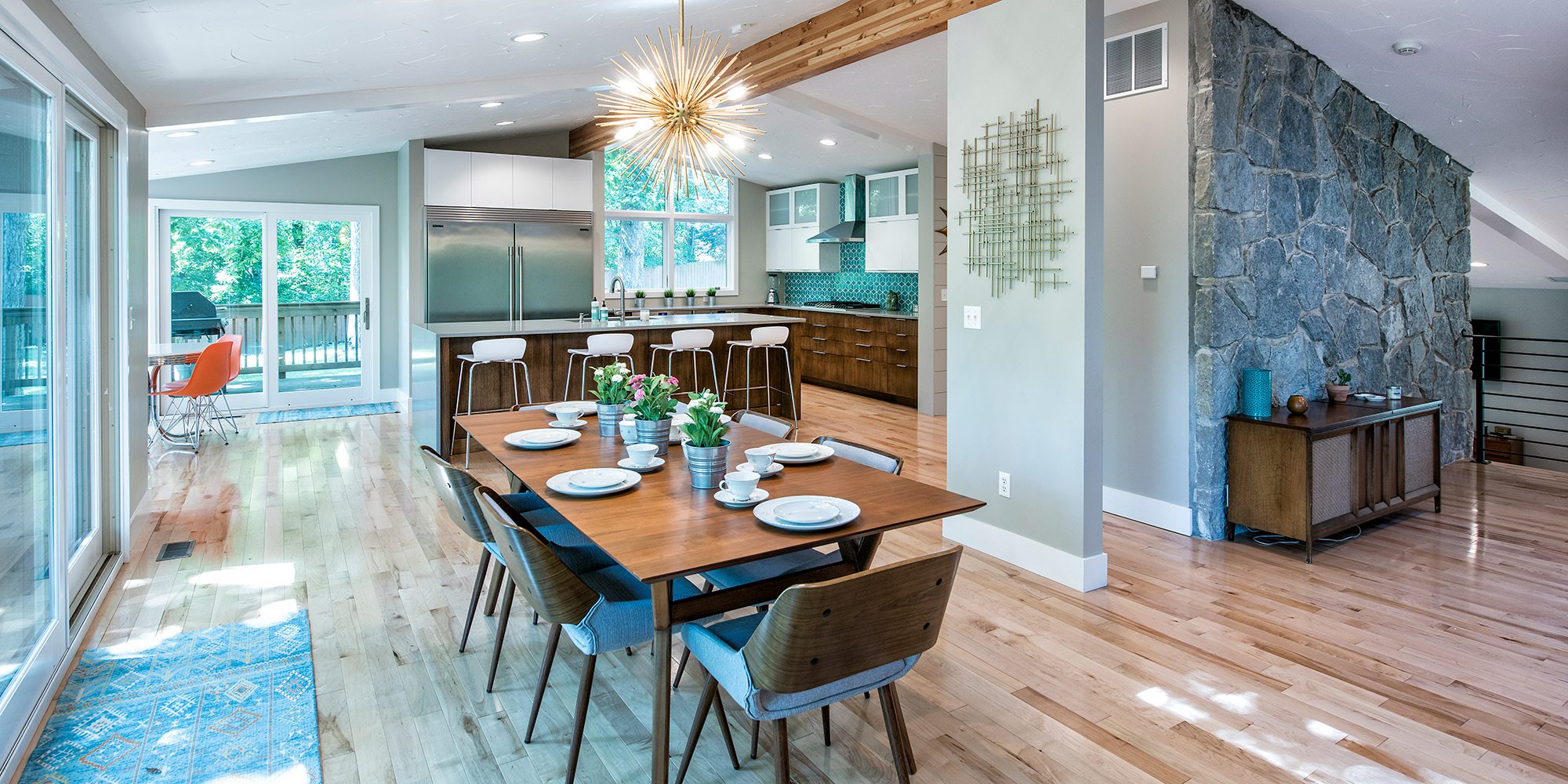
When property owners think about upgrading their living spaces, they typically find a variety of remodeling services designed for specific preferences and preferences. These options can be widely classified into several types, each focusing on particular areas of residential enhancement. Kitchen renovations center on updating appliances, cabinetry, and the design to boost practicality and the look. Renovating the bathroom usually includes improving the fittings, tiles, and shelving options for greater ease and design.
Complete residential remodeling includes major alterations across the property, sometimes requiring major structural work to optimize space and flow. Exterior remodeling services, conversely, focus on boosting the property's street view, handling the exterior walls, the covering, and the yard. Additionally, specialized services like basement finishing and attic conversions allow homeowners to maximize underutilized spaces. Each type of remodeling service offers unique benefits, enabling homeowners to choose options that fit their desired outcome for their living environment. Knowing these variations is essential when choosing wisely during the renovation process.
Establishing a Practical Spending Plan for Your Renovation Undertaking
How can homeowners guarantee their remodeling projects remain within budget? Developing an achievable budget is vital. Property owners must start by evaluating their financial capacity, covering savings and possible funding sources. This preliminary action helps establish the funds available for the remodel without jeopardizing other monetary duties.
Subsequently, property owners need to look into the financial requirements of their intended changes, taking into account materials, labor, and unexpected costs that frequently occur. Creating a detailed list of priorities aids in identifying must-haves versus nice-to-haves, allowing for adjustments if the budget tightens.
It's wise to include a contingency fund, generally 10-20% of the entire budget, to account for surprise expenditures. Frequently checking and modifying the budget as the updating work progresses can also help maintain financial control. In the end, a carefully structured budget ensures the project is feasible and makes the whole updating experience better for homeowners.
Finding the Best Contractor for Your Needs.
Finding a suitable builder can significantly affect the outcome of an updating effort. Homeowners should begin by performing extensive investigation, looking for suggestions from acquaintances, relatives, or web feedback. It is crucial to check qualifications, like licenses, insurance, and bonds, to verify their standing.
Once potential contractors are identified, homeowners should request detailed estimates and timelines, making it possible to compare options knowledgeably. Interviews provide insight into communication styles and professionalism, which are crucial for working together effectively.
Furthermore, examining previous work via portfolios or referrals demonstrates the professional's skill level. It is wise to question them regarding warranties or safeguards, indicating the builder's certainty about their services.
Ultimately, selecting a contractor who aligns with the homeowner’s vision, budget, and timeline leads to a more favorable updating process, making certain find now the outcome satisfies needs and successfully updates the home's interior.
Structuring and Laying Out Your Ideal Space.
As those renovating imagine their desired rooms, meticulous organization and deliberate design are crucial elements of an effective updating job. The beginning stage requires reviewing existing necessities and future desires, to gain a complete comprehension of the area's utility. Owners must take into account practicality, visual appeal, and personal style, ensuring that the design reflects their distinctive choices.
Next, creating a detailed budget is vital. This budget should cover materials, labor, and possible unexpected costs. Hiring professional designers can offer helpful perspectives, assisting in improving the layout while sticking to budgetary constraints.
Integrating components like ample daylight, spacious designs, and sustainable materials can improve the final result. Finally, seeing the project via sketches or digital renderings can help perfect concepts before starting the work. When handling the initial design phase deliberately, homeowners can create an inviting, efficient space suited to their way of life.
Navigating Permits and Regulations in Residential Projects
Familiarizing oneself with the red tape and requirements can be intimidating for homeowners beginning a home improvement project. Each municipality has specific rules that determine what is allowed during renovations, typically guided by zoning laws, construction standards, and security requirements. Owners need to acquaint themselves with local regulations to prevent expensive penalties or setbacks in the timeline.
In most cases, getting permits is mandatory for major changes, such as modifying load-bearing elements or new wiring installations. This process often involves submitting plans for review and may require inspections at multiple points.
Engaging a knowledgeable contractor can make this procedure easier, as they are typically experts in municipal rules and can aid in filing necessary forms. Homeowners should also keep communication open with local building departments to guarantee compliance throughout the project. By comprehending and working within these rules, homeowners can achieve their remodeling goals and maintaining compliance with the law in their renovations.
Frequently Asked Questions
How Much Time is Needed for a Typical Remodeling Job?

The average remodeling job typically spans three to six months on average, depending on the scope of work, size of the home, and availability of materials. More involved renovations might need extra time for completion.
What are frequent blunders to avoid while undertaking a remodel?
Typical pitfalls during remodeling are things like failing to budget properly, ignoring necessary permits, overlooking timelines, failing to communicate effectively with your builders, and failing to think about long-term functionality. Understanding these dangers can lead to a more efficient, more positive renovation outcome.
How do I choose the best supplies for the job?
Choosing the right materials involves evaluating how long they will last, aesthetics, and cost constraints. Looking into different products, getting expert advice, and considering maintenance needs can greatly aid in making informed decisions, making sure the renovation matches your needs and preferences.
Will I be able to reside in my property throughout the construction phase?
Yes, one can live in the house during renovations, but it could be uncomfortable. Thorough preparation, clear communication with contractors, and setting aside certain zones for essential activities can lessen the stress while the work is underway.
What guarantees should I look for from the renovation company?
Clients typically receive warranties covering workmanship, the supplies used, and the integrity of the structure, typically ranging from one to ten years. It is essential to examine specific terms and conditions with contractors to understand coverage and limitations fully.